The State of Recovery Two Years after Hurricanes Irma and Maria
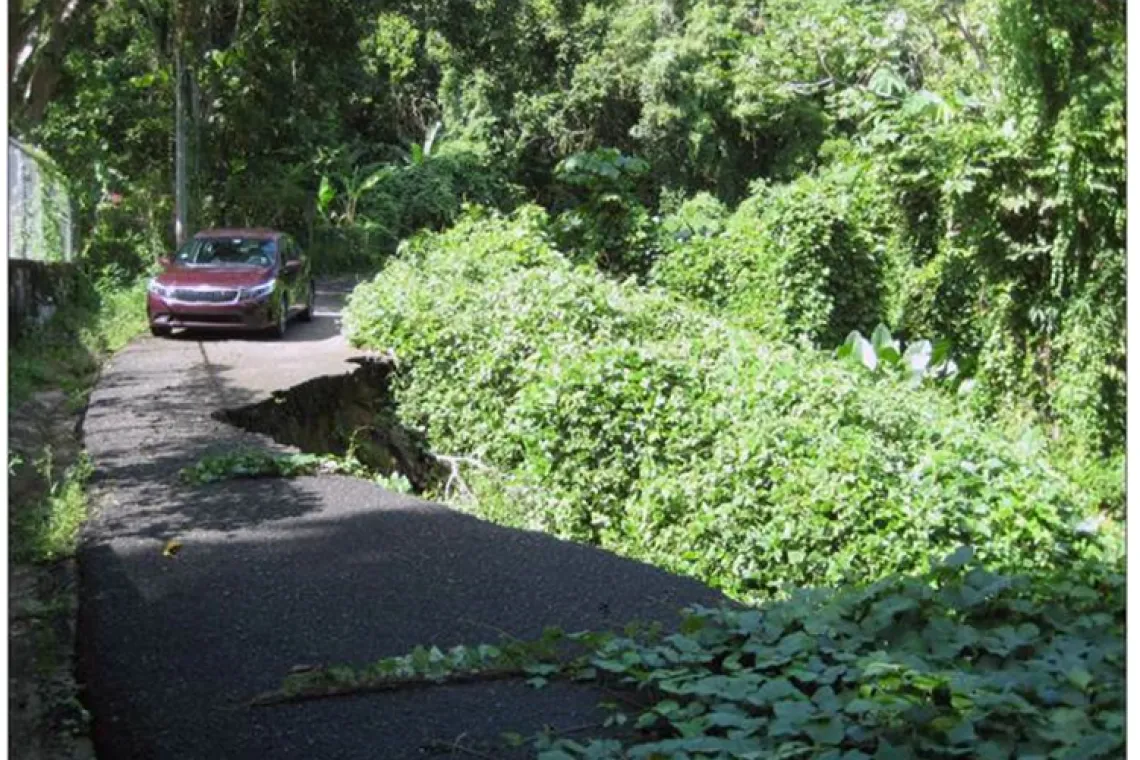
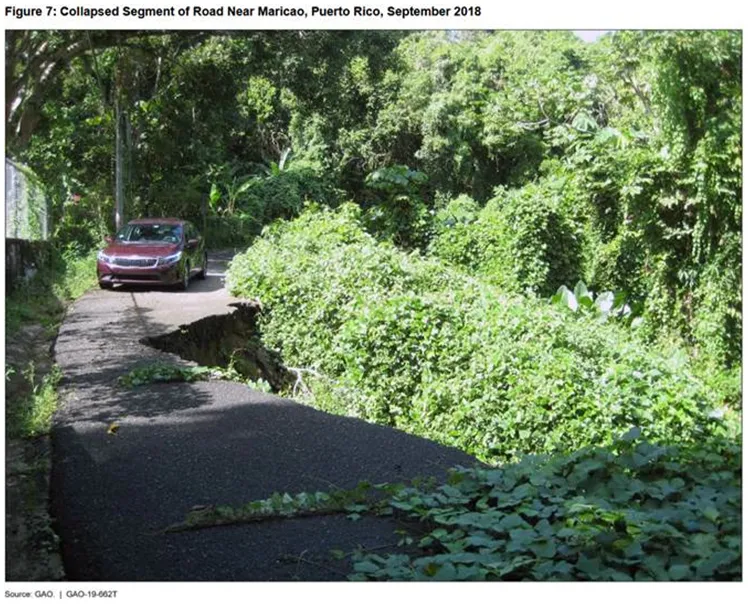
It’s been 2 years since hurricanes Irma and Maria caused extensive damage to several areas, including Puerto Rico, Florida, and the U.S. Virgin Islands. Hurricane Maria was the strongest hurricane to make landfall in Puerto Rico since 1928, destroying highways and buildings, and causing total failure of energy and communication systems, among other things.
In today’s WatchBlog, we share findings from some of our recent reports on federal disaster relief efforts.
A Spanish translation of this blog is available. Para leer este blog en español.
Coordinating mass care
When disaster strikes, FEMA and the Red Cross are primarily responsible for coordinating mass care for survivors, such as providing food and shelter.
We looked at how these agencies coordinated with each other in response to the 2017 hurricanes and found that they benefited from co-locating with key partners during disaster response. In addition to setting up a joint operation center in Washington, D.C., they worked side-by-side in state and local emergency operations centers with partners such as the Salvation Army and other voluntary organizations active in disaster relief.
Image
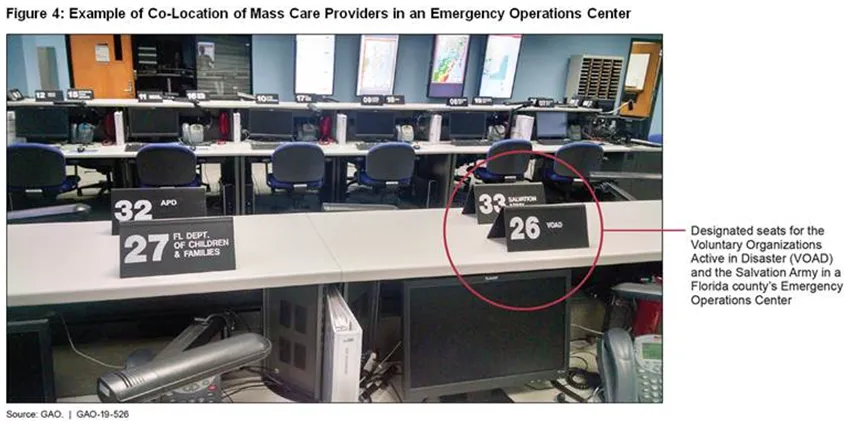
Co-locating key partners was especially beneficial to helping maintain communication in Puerto Rico and the Virgin Islands in the face of lengthy power outages and major damage to public structures.
Image
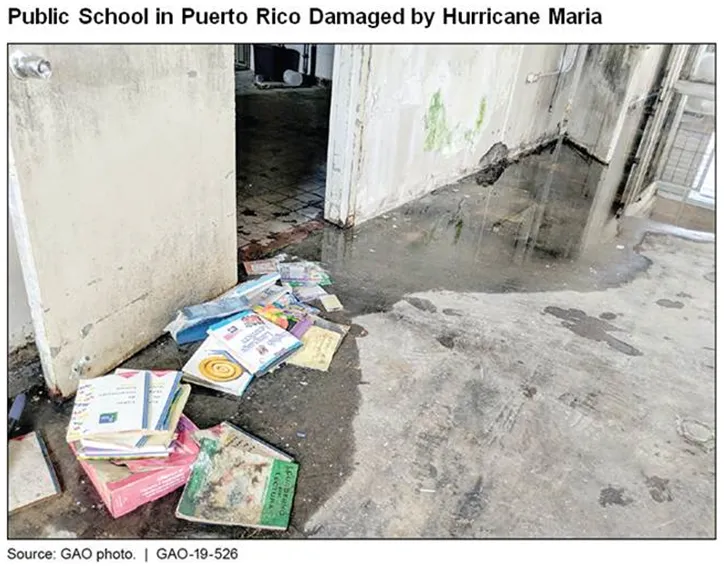
However, some needs like shelter, food, and supply distribution, were unmet. Providing mass care services was challenging in part because the written agreements between state and local governments with voluntary organizations didn’t always detail which services each could provide.
To address these issues, we recommended that FEMA emphasize the importance of clearly defining roles and responsibilities when developing written agreements.
Disaster assistance for those who are older or have disabilities
We also reported on the challenges that people who are older or have disabilities faced after the 2017 hurricanes. For example, we found that these individuals faced challenges accessing food, water, medicine, and oxygen.
Image
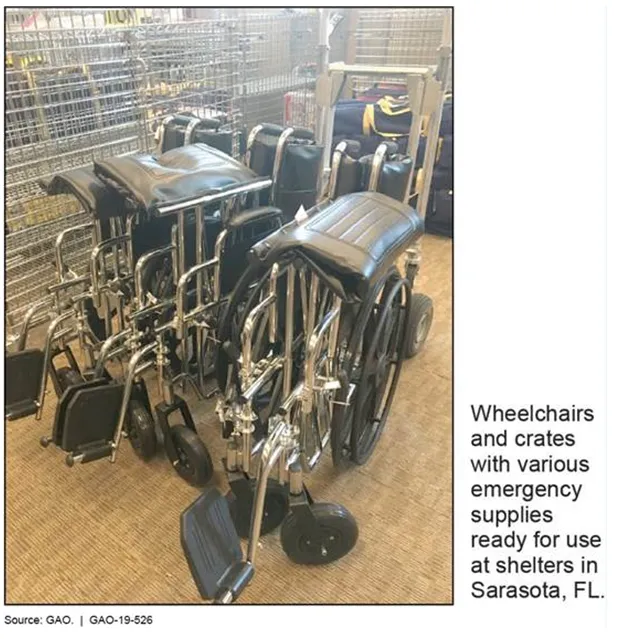
In addition, these individuals faced challenges applying for assistance from FEMA. For example, survivors and local government officials told us that they faced long wait times and could not access the online applications due to power outages.
We recommended that FEMA implement new registration-intake questions to better identify and address survivors’ disability-related needs, among other things.
Continuing the recovery effort
With FEMA’s assistance, Puerto Rico and the Virgin Islands are continuing their recovery efforts. As of April 2019, FEMA has obligated $7.4 billion for emergency work–such as debris removal and generators–and permanent work repairing or replacing roads and public infrastructure.
Image
To learn more, check out our webpage on federal disaster recovery efforts, including a Facebook Live chat and various facts and photos.
- Comments on the GAO WatchBlog? Contact blog@gao.gov.
GAO Contacts
Image

Image
Image