
As Flood Risks Increase, Most Americans Still Don't Have Insurance for It (Interactive Map)
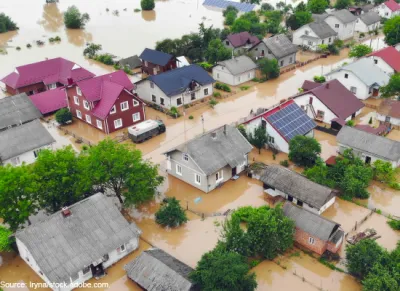
Flooding is the most common, costly, and destructive natural disaster in the United States. Yet, most homeowners remain unprotected from its risks. In fact, 86% of high-risk properties don’t have flood insurance. Why?
Today’s WatchBlog post looks at our new report on why so many homeowners are going without flood insurance (despite the risks) and what can be done about it.
Image
Why are so many homeowners not getting flood insurance?
Homeowners looking to protect themselves against financial losses caused by flooding have two options: private insurance or coverage through the National Flood Insurance Program (NFIP).
By far, NFIP is the more common coverage option. Only about 14% of homes with flood insurance are covered by a private provider. NFIP was created by Congress in 1968 to make flood insurance available and affordable. But even so, most homeowners go without coverage.
Here are some reasons why.
Homeowners don’t understand or underestimate their risk. A 100-year storm may sound like a low-probability thing. But there’s actually a 26% chance of one occurring over the course of a 30-year mortgage. And when it hits, the damage is severe. Similarly, homeowners may think, "It’s never flooded here before. I’m safe,” even when surrounding communities experience flooding. And those who have experienced flooding may believe that it won’t happen again.
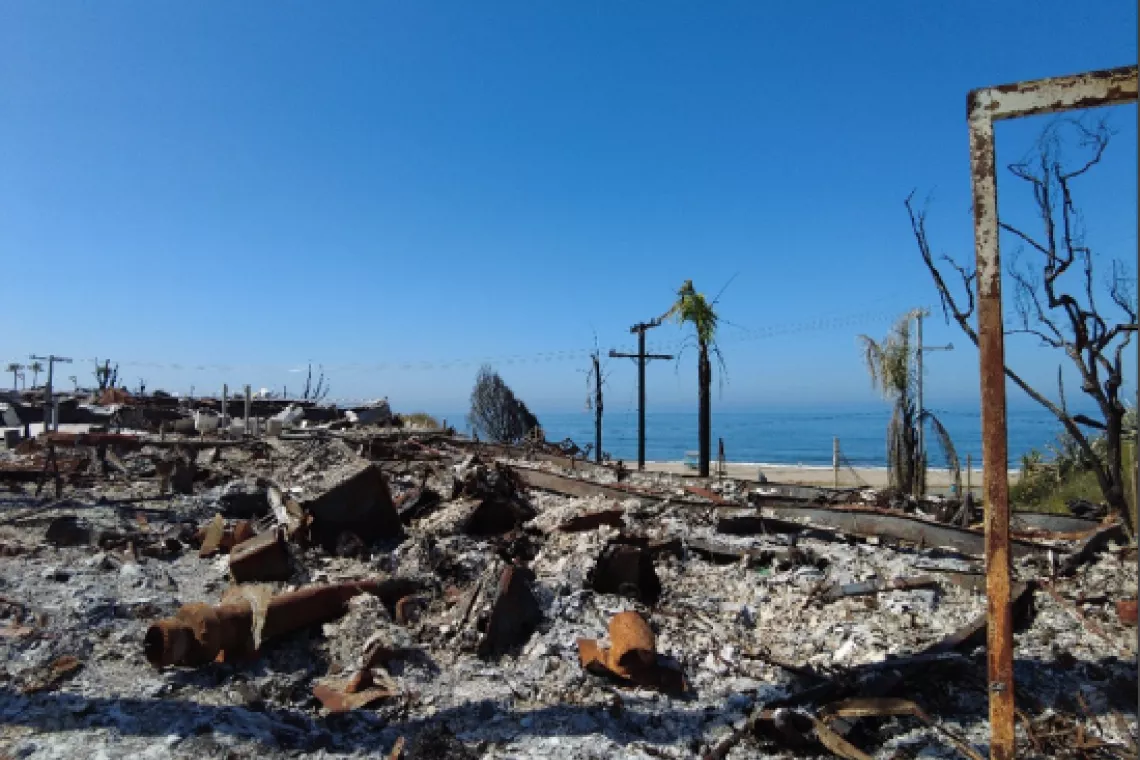
Homeowners think they have coverage. Many people think their homeowners insurance covers flood damage. But most policies don’t. Flooding is not covered by the “act of God” clause that may, depending on your policy, cover other natural disasters like tornadoes, wind damage from hurricanes, or wildfires.
Homeowners overestimate federal disaster assistance. The Federal Emergency Management Agency (FEMA) does help homeowners affected by disasters. But FEMA’s disaster assistance has paid out, on average, $3,500 per homeowner over the last decade. During the same period, NFIP claim payments to homeowners averaged $88,700.
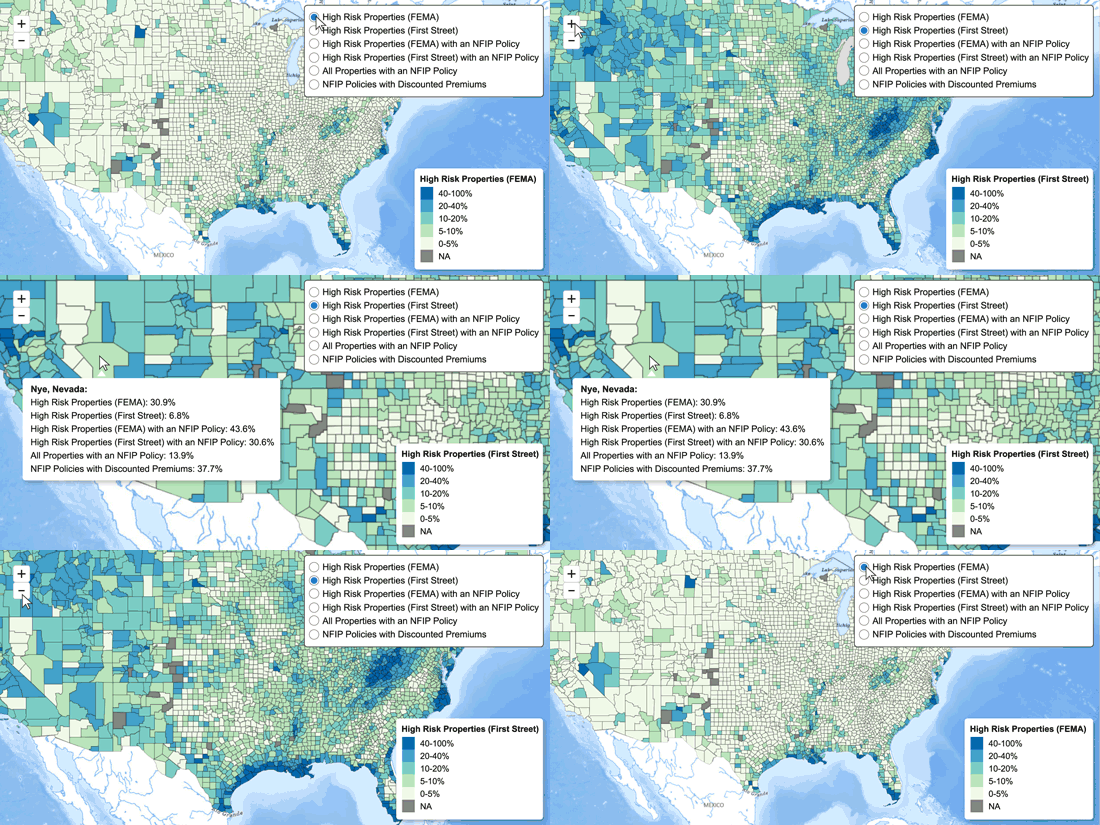
Floodplain maps used for insurance requirements do not include most at-risk homes. Usually, when you get a mortgage, you’re required to get insurance to offset any risks to yourself and the lender. Lenders look at FEMA’s floodplain maps to see if coverage is required. But these maps understate the flood risks to many properties.
For example, FEMA floodplain maps miss about 13 million high-risk properties. And, as a result, homeowners may not be required to have flood insurance as part of their mortgage approval.
Click on the map below to see our interactive graphic showing flood risk and insurance coverage, by county.
Image
What can be done to get more homeowners protected?
When Congress established NFIP, the goal was to increase flood insurance coverage. It was also intended to reduce the escalating costs to taxpayers of providing federal disaster assistance. But only 4% of all properties (and 14% of high-risk properties) have coverage. This means that most homes and millions of at-risk properties are unprotected from the financial effects of flooding.
We’ve identified four actions that could help increase NFIP and private flood insurance coverage. Each requires approval from Congress.
- Give the public the information they need. Current and prospective property owners, their insurance agents, real estate agents, and lenders do not have easily accessible information on property-level flood risk. FEMA should collect and make this information publicly available. That would help consumers make more informed decisions about purchasing flood insurance and selecting coverage.
- Align insurance requirements with risks. FEMA’s floodplain maps do not reflect the full extent of risks to homeowners, such as flooding from heavy rainfall. These events are common and were seen recently during the August floods in northwestern Indiana, for example, when heavy rainfall caused historic flooding. All sources of flood risk should be incorporated into criteria for determining whether insurance coverage is needed.
- Require lenders that offer federally backed mortgages to provide flood insurance quotes. About 61% of homes have mortgages, most of which are backed by the federal government—meaning the government will pay if the borrower doesn't. Since the government has a stake, it should be covered from potential losses too. As such, lenders that offer federally backed mortgages should be required to provide flood insurance quotes alongside the quote for homeowners’ insurance. This would better signal the need for coverage.
- Increase NFIP coverage limits. One reason some homeowners forgo NFIP coverage is because it is capped at $250,000 for a 1-to-4-person family home. But the median home sale price is almost twice that amount. Depending on where you live, NFIP’s cap could be dramatically lower than what it would cost to repair your property. Increasing NFIP’s coverage limits could allow property owners to get coverage that is better aligned with potential flood losses.
Taking these actions would improve homeowners’ understanding of their risk and increase flood insurance coverage. Learn more about this issue by reading our full report.
- GAO’s fact-based, nonpartisan information helps Congress and federal agencies improve government. The WatchBlog lets us contextualize GAO’s work a little more for the public. Check out more of our posts at GAO.gov/blog.
- Got a comment, question? Email us at blog@gao.gov.
GAO Contacts
Image



Related Products

GAO's mission is to provide Congress with fact-based, nonpartisan information that can help improve federal government performance and ensure accountability for the benefit of the American people. GAO launched its WatchBlog in January, 2014, as part of its continuing effort to reach its audiences—Congress and the American people—where they are currently looking for information.
The blog format allows GAO to provide a little more context about its work than it can offer on its other social media platforms. Posts will tie GAO work to current events and the news; show how GAO’s work is affecting agencies or legislation; highlight reports, testimonies, and issue areas where GAO does work; and provide information about GAO itself, among other things.
Please send any feedback on GAO's WatchBlog to blog@gao.gov.