GAO Reports by the Numbers: Physical Infrastructure
From transportation and telecommunications to federal assets and the Postal Service, our Physical Infrastructure team reports on topics that impact the way we travel, communicate, and conduct business.
To get a better idea of the breadth of the issues we look at, here’s a roundup of facts from our 2017 reports. For more details on each fact, click on the answer to go to the original report.
Image

How much did airlines make in FY16 from the fees for checked baggage and the fees for changing or cancelling a reservation? ($7.1 billion)
Image

How many passenger vehicles or light trucks did federal agencies purchase from FY11 through FY15? (64,522) (This post was edited to reflect updated numbers.)
- What was the average cost of these vehicles? ($25,600)
Image

Approximately how many pieces of mail did the United States Postal Service deliver in FY16? (154 billion)
- To how many delivery points? (about 156 million)
- With how many employees at the US Postal Service? (about 640,000)
How many fatalities occurred at railroad grade crossings in 2016? (264)
Image

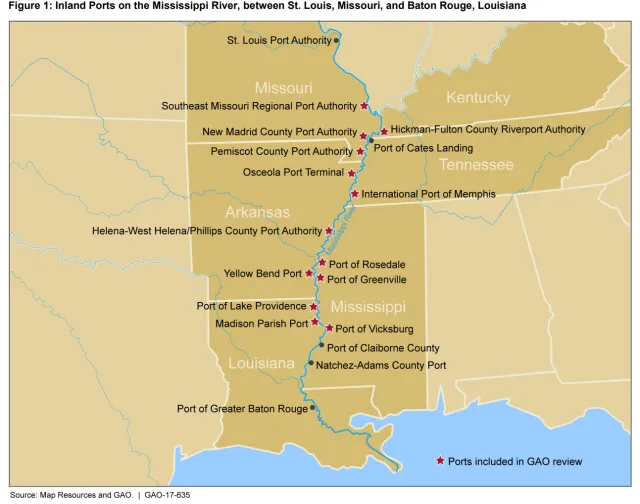
How many tons of domestic freight moved on the Mississippi River in 2015? (Nearly 316 million)
Image
What U.S. city won the Department of Transportation’s Smart City Challenge award of $50 million that included $10 million from a private company and in-kind contributions from the Department of Energy? (Columbus, Ohio)
Image

- Comments on GAO’s WatchBlog? Contact blog@gao.gov.
GAO Contacts
Image

Image