
Nuclear Cleanup Costs Continue to Spiral as Deferred Maintenance and Repair Needs Grow
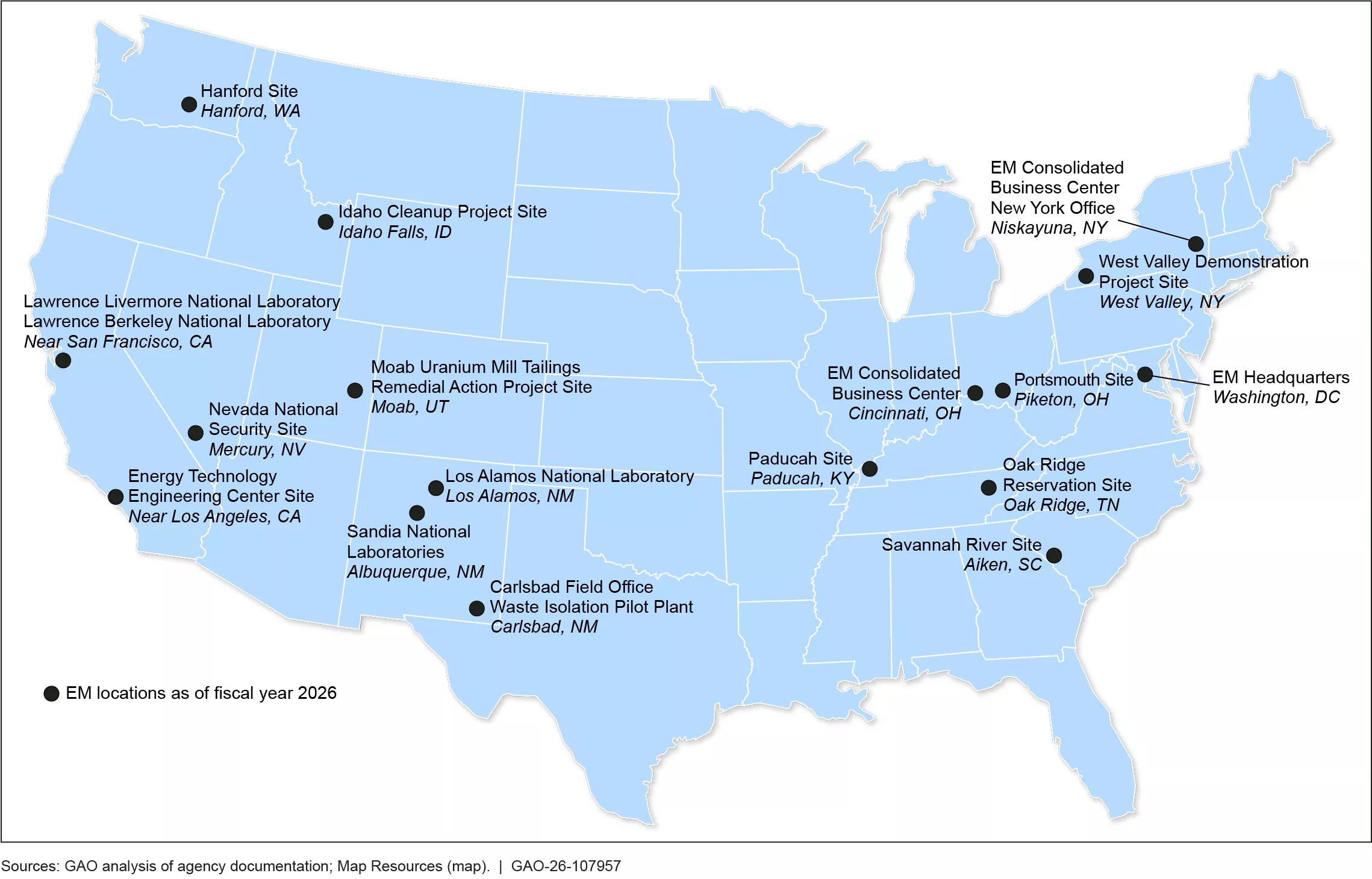
Our atomic past is costing us billions of dollars today. Nuclear research and development at 15 sites across the United States have taken decades to clean up. And the work is still not done.
What’s worse is that while this effort has already cost hundreds of billions of dollars, it could cost billions more. Many facilities at nuclear cleanup sites have operated longer than they were designed for, which further increase costs and risks.
Today’s WatchBlog post looks at our new report on the status of these efforts.
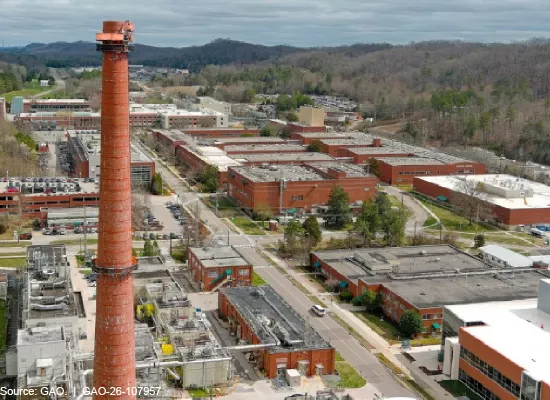
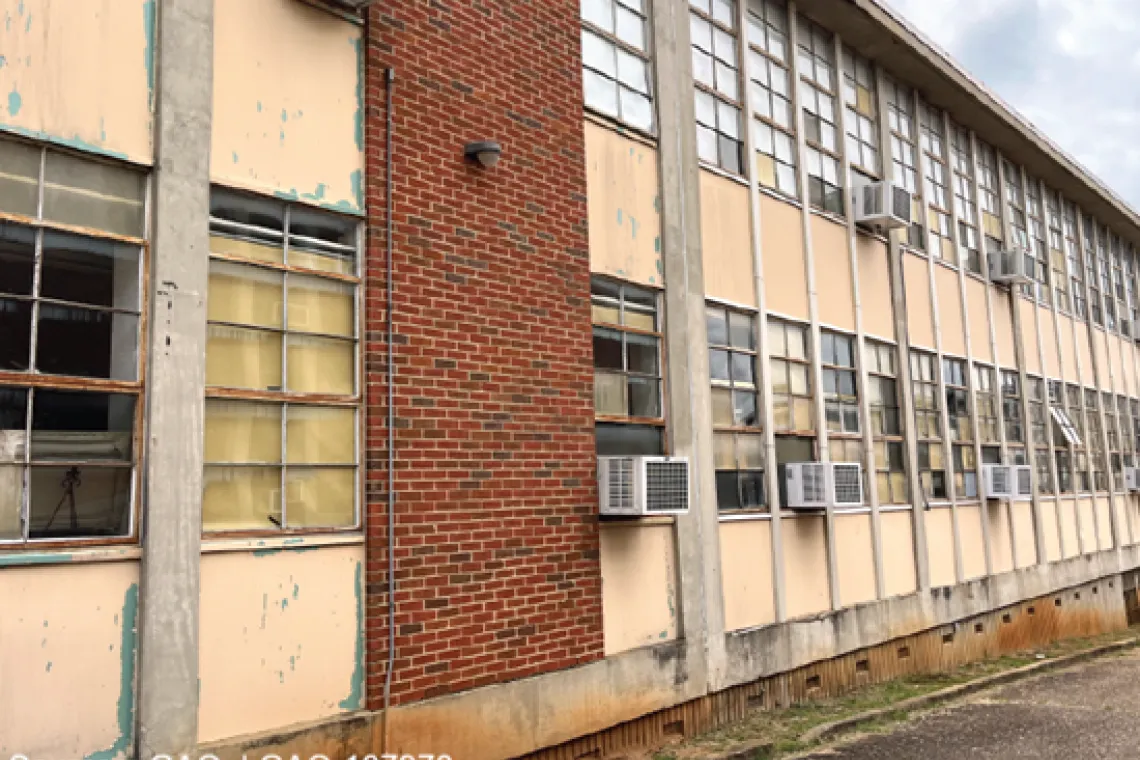
Department of Energy’s Oak Ridge Site in Tennessee Faces a Variety of Infrastructure Needs
Image
Aging facilities, growing costs, and increasing maintenance
The Department of Energy (DOE) is responsible for cleaning up the hazardous and radioactive waste at sites contaminated by nuclear weapons production and nuclear energy research. Cleanup involves tearing down contaminated buildings, remediating contaminated soil and groundwater, and treating millions of gallons for radioactive liquid waste.
Location of Department of Energy’s Nuclear Cleanup Sites and Oversight Activities
Image
If untreated, nuclear waste from radioactive decay could last thousands of years. Cleanup is critical to preventing long-term:
- environmental contamination
- damage to water supplies
- cancer-causing exposure to humans and animals
This is no small job. And DOE has had to contend with some major issues over the years with its efforts, including aging facilities and equipment, spiraling costs, and increasing maintenance and repairs.
Aging infrastructure. Many of the 6,000 facilities (and the equipment used within them) are 50-70 years old. They are being used well beyond their intended life. For example, at the Savannah River site in South Carolina, a mission-critical crane used to move radioactive parts through a facility was last replaced in the 1980s. Its replacement isn’t planned for another 2 years.
At that same site, the roof of a shutdown facility is falling apart. Leaks in that roof could allow dangerous chemicals to seep into the ground in the short term and likely would increase demolition costs in the long term.
At the Carlsbad site in New Mexico—the nation’s only repository for disposing of certain nuclear waste from defense related activities—an elevator used to move contaminated waste is mission critical. The machinery was built more than 100 years ago. And its motor is more than 40 years old, operating well beyond life expectancy. It has repeatedly required unplanned and expensive maintenance.
Spiraling costs. DOE spends about $781 million per year maintaining about 2,200 buildings; 2,500 other structures and facilities; 1,200 trailers; and support elements like roads and utilities at these cleanup sites. And those costs are spiraling. For example, as of June 2025, DOE reported over $1.5 billion in repair needs across its efforts.
During the last 5 years, DOE’s budget for maintenance and repairs at cleanup sites has nearly doubled. These costs are anticipated to further increase over time. In fact, the department’s budget request included over $950 million in maintenance spending at cleanup sites for fiscal year 2026 alone.
DOE could improve its cleanup efforts and save millions
There is some good news. DOE reports that the number of facilities at cleanup sites with deferred maintenance and repair needs has been declining since 2022. The department has made significant progress in reducing the number of facilities in poor or very poor condition. In fact, as of last June, DOE reported that 80% of all facilities were considered to be in “good” or “very good” condition.
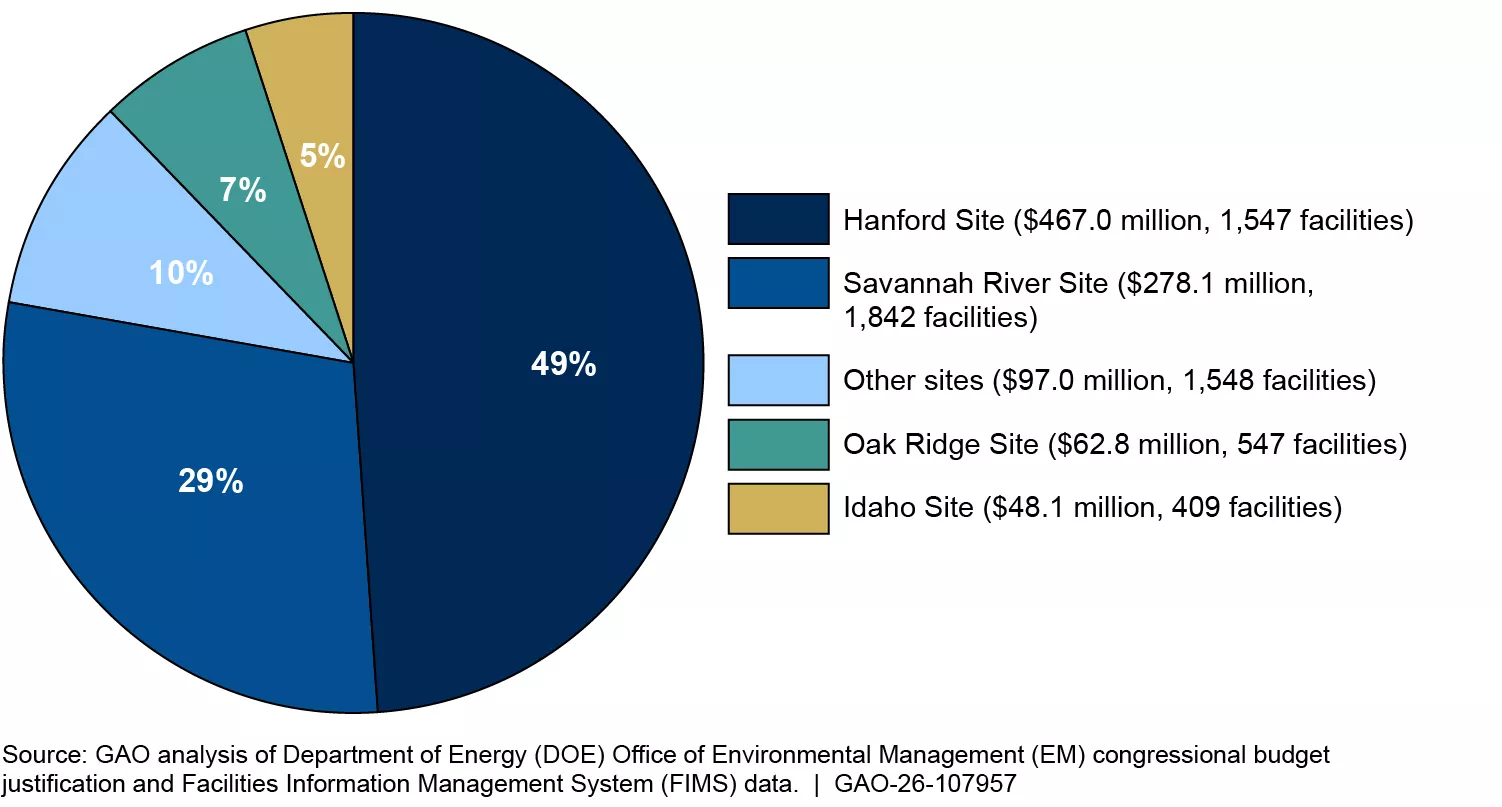
Yet maintenance backlogs remain. And funds are still needed to complete those repairs. These backlogs were concentrated at four sites.
Share of the FY 2026 Maintenance and Repair Spending by Cleanup Site
Image
To help prioritize projects, DOE created its “master asset plan” in 2023 that looks at all sites’ conditions, maintenance needs, and work priorities. But when we looked at it, we found it may not capture the reality of each site’s current needs. This may be, in part, because individual sites have more detailed data about their needs than is used in the plan. Specifically, eight of 13 sites reported that the plan doesn’t reflect their current maintenance needs.
DOE has also identified projects that it says could save money long term. This includes 19 projects totaling $120 million. But the department hasn’t communicated these potential costs-saving projects to Congress, which needs this information to inform its budget decisions. In our report, we recommended steps that would help DOE better manage its maintenance needs across sites, as well as communicate its priorities to Congress. Acting on our recommendations could save taxpayers millions of dollars.
Learn more about DOE’s cleanup efforts and our recommendations by reading our full report.
- GAO’s fact-based, nonpartisan information helps Congress and federal agencies improve government. The WatchBlog lets us contextualize GAO’s work a little more for the public. Check out more of our posts at GAO.gov/blog.
- Got a question or comment? Email us at blog@gao.gov.
GAO Contacts
Image


Related Products

GAO's mission is to provide Congress with fact-based, nonpartisan information that can help improve federal government performance and ensure accountability for the benefit of the American people. GAO launched its WatchBlog in January, 2014, as part of its continuing effort to reach its audiences—Congress and the American people—where they are currently looking for information.
The blog format allows GAO to provide a little more context about its work than it can offer on its other social media platforms. Posts will tie GAO work to current events and the news; show how GAO’s work is affecting agencies or legislation; highlight reports, testimonies, and issue areas where GAO does work; and provide information about GAO itself, among other things.
Please send any feedback on GAO's WatchBlog to blog@gao.gov.