
The Heinous Crimes Haunting Federal Prisons—Rape and Sexual Abuse
A prison warden responsible for inmate welfare. A chaplain meant to provide spiritual care. Since 2022, both were convicted of sexual abuse at a women’s prison, along with seven of their colleagues.
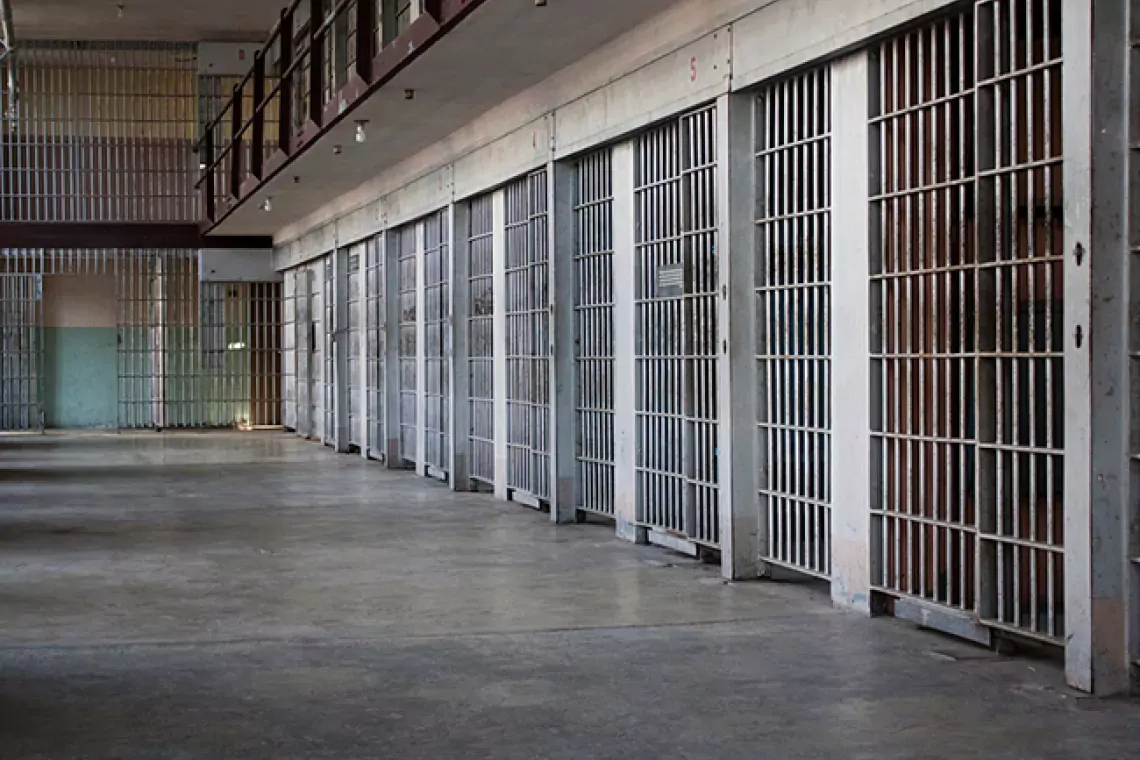
Though this facility, Federal Correctional Institution Dublin, was shut down in the wake of these allegations, sexual abuse and rape of incarcerated people is, unfortunately, a persistent problem in the federal prison system.
Today’s WatchBlog post looks at our new report on this issue and how efforts to address it could be improved.
Image
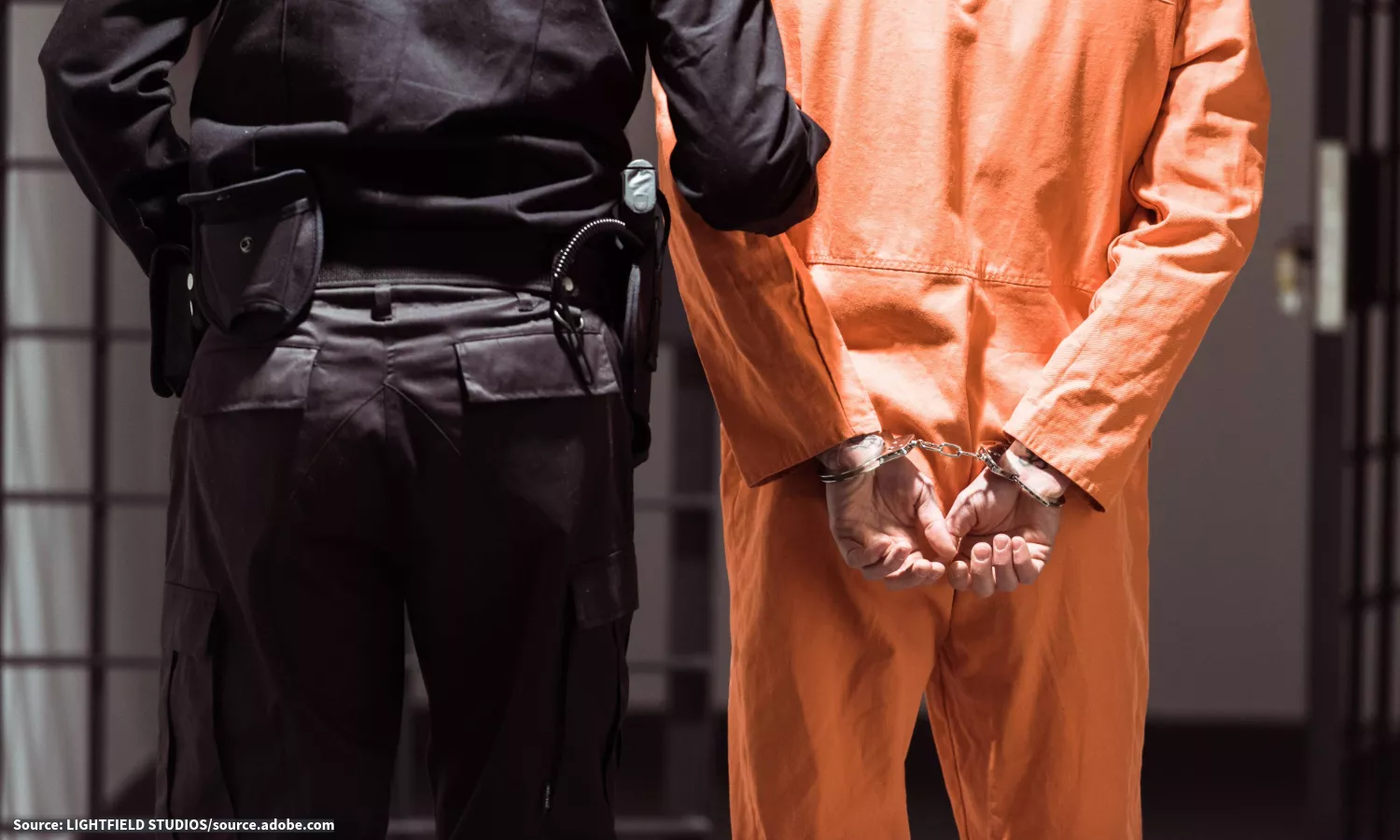
A pervasive problem that can be difficult to report
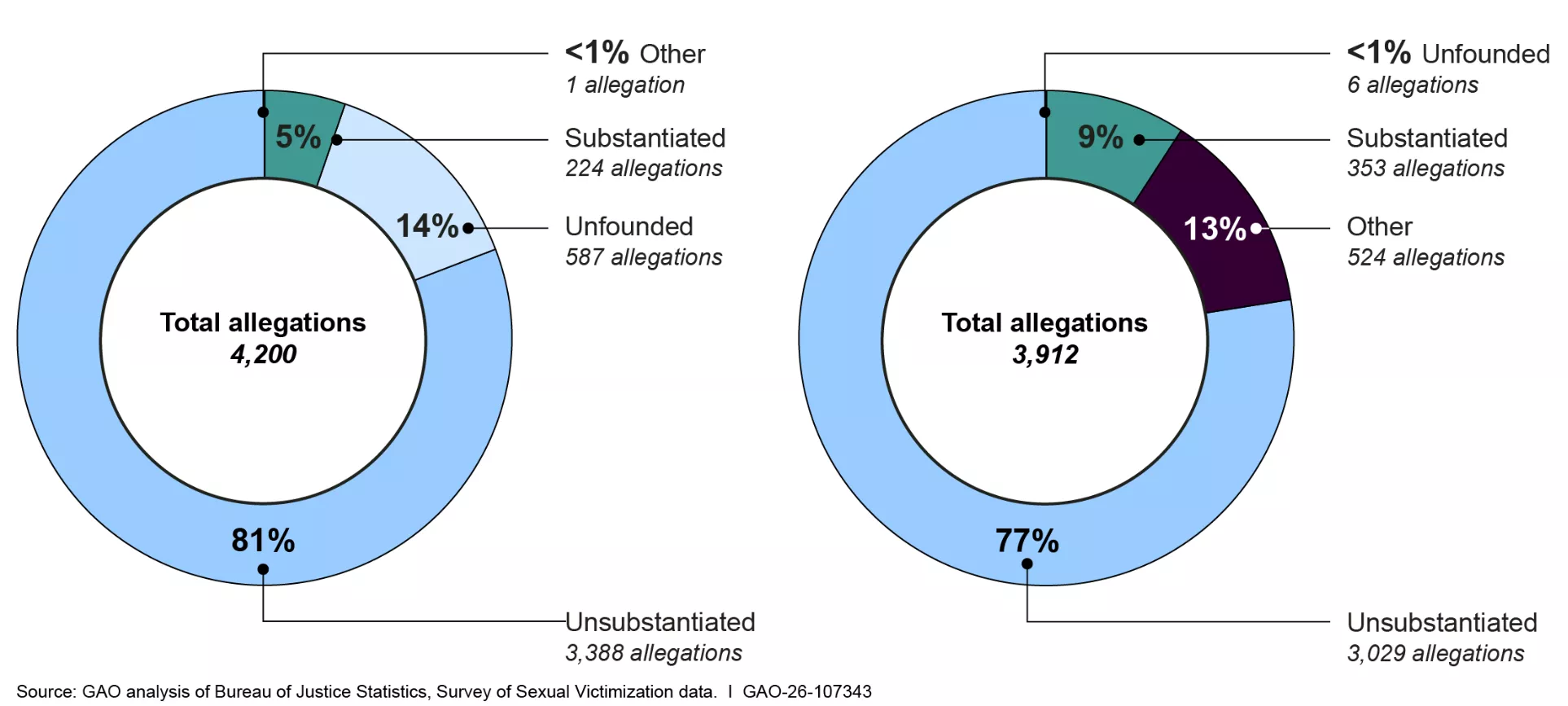
The Federal Bureau of Prisons, which manages federal prison facilities, received about 8,500 allegations of sexual abuse of incarcerated people from 2014-2022. About half of these allegations were filed against Bureau employees, such as corrections officers. The rest were filed against other incarcerated people.
The Bureau investigates to determine if allegations are substantiated (the event occurred), unsubstantiated (insufficient evidence to determine if the event occurred), or unfounded (the event did not occur). While the vast majority of cases were determined to be unsubstantiated, some complaints were substantiated. The Bureau substantiated:
- 9% of allegations against Bureau of Prison employees
- 5% of those against other incarcerated people
Outcomes of Sexual Abuse Allegations, Where the Alleged Perpetrator was an Incarcerated Individual (Left) or an Employee (Right), 2014–2022
Image
The number of abuse allegations may seem startling. But they only show the reported sexual abuses. Some abuse may be going unreported. We spoke with incarcerated people about obstacles they’ve encountered when trying to report sexual abuse allegations. They told us about, for example,
- Limited knowledge of reporting options. Some people told us they were unaware of options that do not require reporting abuse directly to a prison employee.
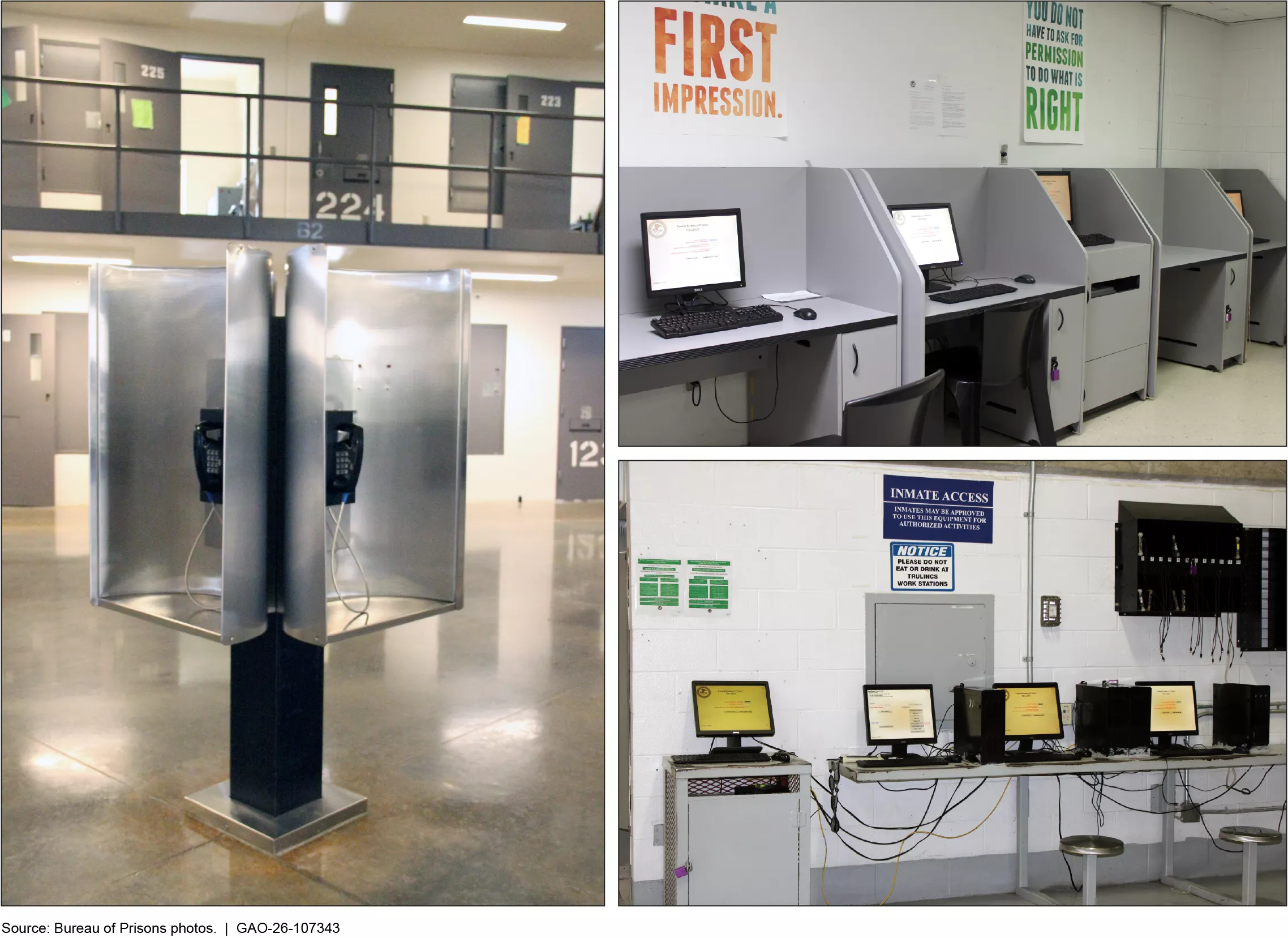
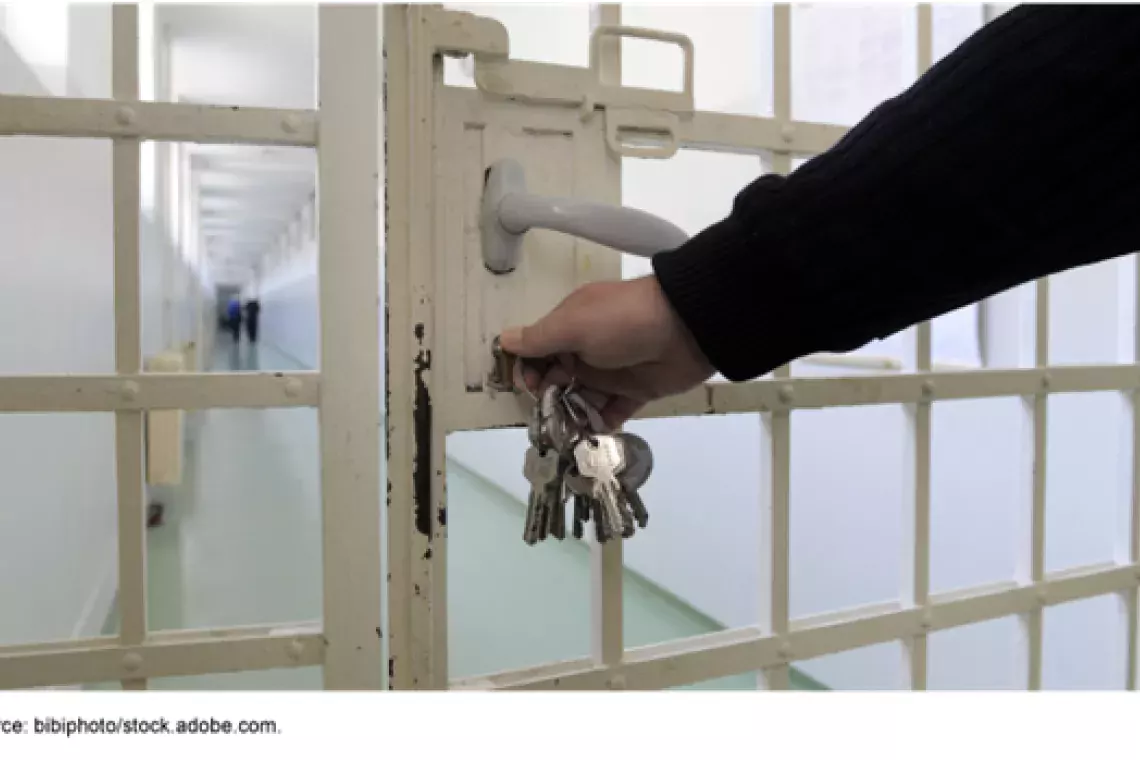
- Discomfort about reporting and fear of retaliation. Some people told us they feared retaliation from prison employees. There was also fear of being stigmatized by fellow incarcerated people. Because of the lack of privacy in prisons, it’s often difficult to report abuse without others finding out. Some people said that a lack of privacy and confidentiality when using phones, computers, or talking to staff may discourage reporting.
Examples of phones and computer bays in Bureau of Prisons facilities
Image
What is being done to stop sexual abuse and assault in federal prisons?
The Prison Rape Elimination Act (PREA) established a zero-tolerance standard for rape in U.S. prisons. The law requires correctional facilities to take certain steps to prevent, detect, and reduce prison rape, as well as punish perpetrators.
PREA also requires that all Bureau of Prisons’ facilities undergo an audit every 3 years to determine if they are compliant with the law. When we assessed how effective these audits are, we found three areas where they fall short of their potential to address rape and sexual abuse.
Audit Goals. PREA auditors do not aim to detect abuse, meaning that a facility could pass its audit even though abuse may be occurring. For example, the facility we discussed initially, FCI Dublin, was found to be 100% compliant with PREA standards despite rampant abuse perpetrated by prison staff. Updating audit procedures to detect abuse could provide better insight into prisons and help auditors recognize when a facility might be having issues.
Audit Contract. PREA auditors are contractors specially certified to perform this work. However, contract terms may restrict them from doing a thorough job. For example, guidelines suggest that auditors spend 33.7 hours interviewing individuals at correctional facilities that house more than 2,500 people. But the Bureau’s' auditing contract says that auditors should generally spend no more than 25.5 hours onsite for the audit. This may not be enough time to complete their work. Reexamining the current approach to audit contracts could help ensure that these critical assessments are conducted in a thorough and complete manner.
Auditor Access. PREA auditors have encountered difficulties when trying to access relevant documents and records. The Bureau of Prisons adopted a new file sharing system in 2024 that may help address this. But it does not have a plan to evaluate whether this is helping.
In our recent report, we recommended that the U.S. Attorney General address all three of these concerns.
There are also some fundamental issues with the PREA standards themselves. Since they were written in 2012, there have been advances in technology and correctional practices that are not reflected. We recommended that the Department of Justice review the standards to identify ways to strengthen prevention, detection, and response to sexual abuse in correctional facilities.
To learn more about how the Department of Justice and Bureau of Prisons can improve their efforts to end sexual abuse and rape in federal prisons, check out our recent report.
- GAO’s fact-based, nonpartisan information helps Congress and federal agencies improve government. The WatchBlog lets us contextualize GAO’s work a little more for the public. Check out more of our posts at GAO.gov/blog.
- Got a comment, question? Email us at blog@gao.gov.
GAO Contacts
Image
Related Products
GAO's mission is to provide Congress with fact-based, nonpartisan information that can help improve federal government performance and ensure accountability for the benefit of the American people. GAO launched its WatchBlog in January, 2014, as part of its continuing effort to reach its audiences—Congress and the American people—where they are currently looking for information.
The blog format allows GAO to provide a little more context about its work than it can offer on its other social media platforms. Posts will tie GAO work to current events and the news; show how GAO’s work is affecting agencies or legislation; highlight reports, testimonies, and issue areas where GAO does work; and provide information about GAO itself, among other things.
Please send any feedback on GAO's WatchBlog to blog@gao.gov.