
Our 24/7 Fraud Reporting Line
- pleaded guilty to wire fraud,
- was sentenced to federal prison, and
- had to pay almost $1.5 million in restitution.
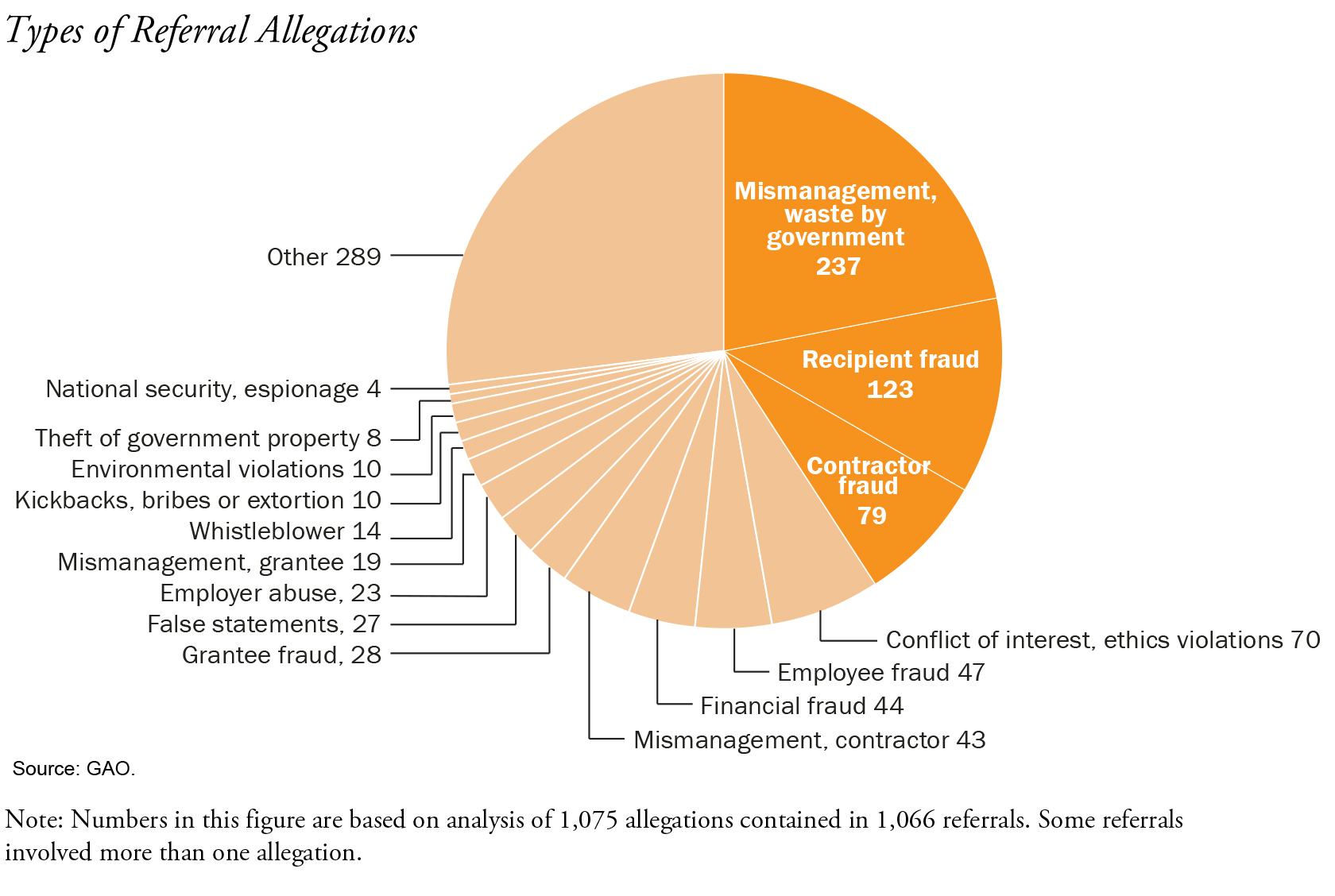 And some of the largest federal departments get the most attention—the top 3 FraudNet referral destinations in the last fiscal year were for the Departments of Defense, Veterans Affairs, and Health and Human Services.
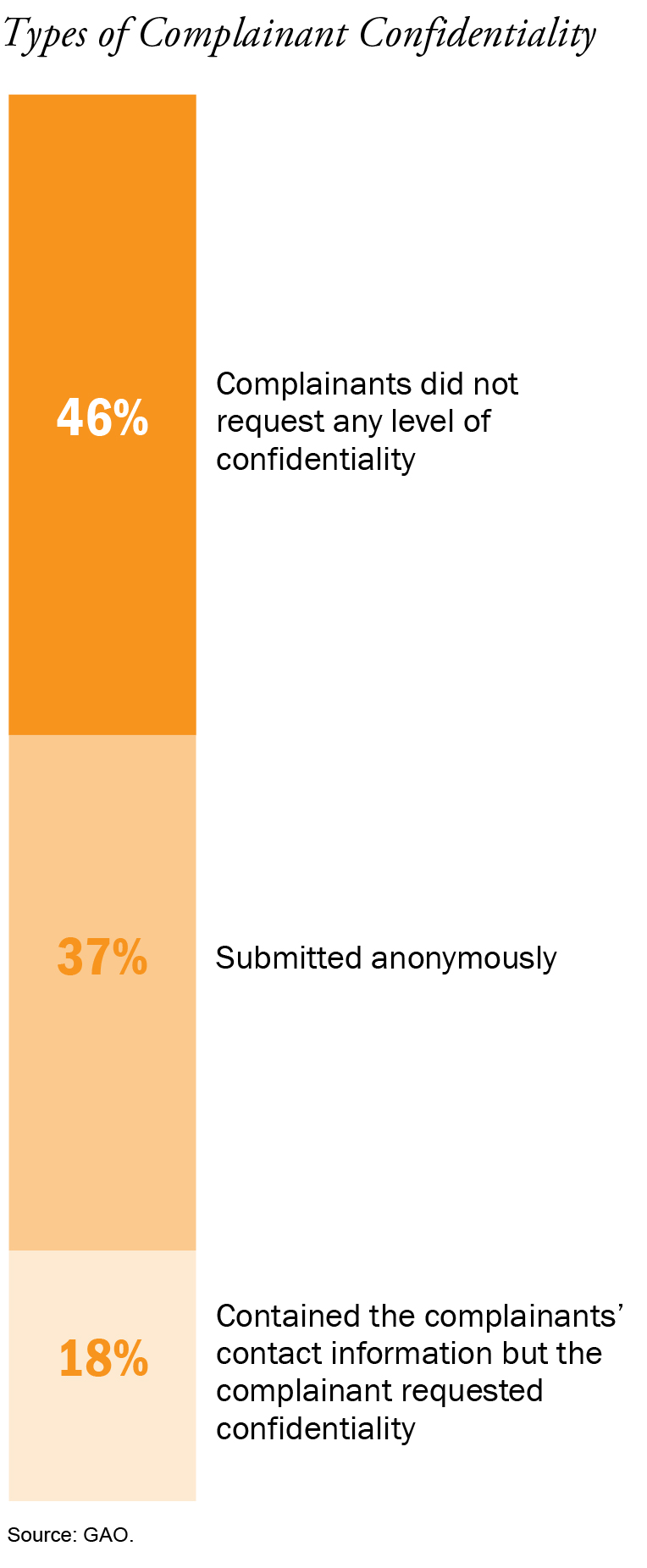 Keeping it confidential
If you don’t want to divulge any information about yourself, you can contact FraudNet and leave an anonymous tip. But most people who get in touch with us also provide their contact information, even if they request confidentiality.
Why would it be helpful to provide your contact information?
To show wrongdoing, investigators need the “who, what, when, where, why, and how.” If any of that is missing or unclear, our investigators find it useful to follow up with tipsters to get more information. In some cases, this follow-up allows investigators to probe more deeply into allegations, including getting additional information to help identify the potential fraud.
A better system
Beginning in July, you will be able to access a FraudNet Hotline representative 24 hours a day, 7 days a week. [Correction: A previous version of this blog post indicated the expanded hours had already occurred, but it’s still in process. Representatives are currently available during business hours.]
Learn more and report allegations on our FraudNet site. You can also call FraudNet toll free at 1-800-424-5454 or email us at fraudnet@gao.gov. No matter the method, our trained FraudNet staff will make sure your allegation gets the attention it deserves.
Keeping it confidential
If you don’t want to divulge any information about yourself, you can contact FraudNet and leave an anonymous tip. But most people who get in touch with us also provide their contact information, even if they request confidentiality.
Why would it be helpful to provide your contact information?
To show wrongdoing, investigators need the “who, what, when, where, why, and how.” If any of that is missing or unclear, our investigators find it useful to follow up with tipsters to get more information. In some cases, this follow-up allows investigators to probe more deeply into allegations, including getting additional information to help identify the potential fraud.
A better system
Beginning in July, you will be able to access a FraudNet Hotline representative 24 hours a day, 7 days a week. [Correction: A previous version of this blog post indicated the expanded hours had already occurred, but it’s still in process. Representatives are currently available during business hours.]
Learn more and report allegations on our FraudNet site. You can also call FraudNet toll free at 1-800-424-5454 or email us at fraudnet@gao.gov. No matter the method, our trained FraudNet staff will make sure your allegation gets the attention it deserves.
- Questions on the content of this post? Contact Wayne McElrath at McElrathW@gao.gov.
- Comments on GAO’s WatchBlog? Contact blog@gao.gov.
GAO's mission is to provide Congress with fact-based, nonpartisan information that can help improve federal government performance and ensure accountability for the benefit of the American people. GAO launched its WatchBlog in January, 2014, as part of its continuing effort to reach its audiences—Congress and the American people—where they are currently looking for information.
The blog format allows GAO to provide a little more context about its work than it can offer on its other social media platforms. Posts will tie GAO work to current events and the news; show how GAO’s work is affecting agencies or legislation; highlight reports, testimonies, and issue areas where GAO does work; and provide information about GAO itself, among other things.
Please send any feedback on GAO's WatchBlog to blog@gao.gov.